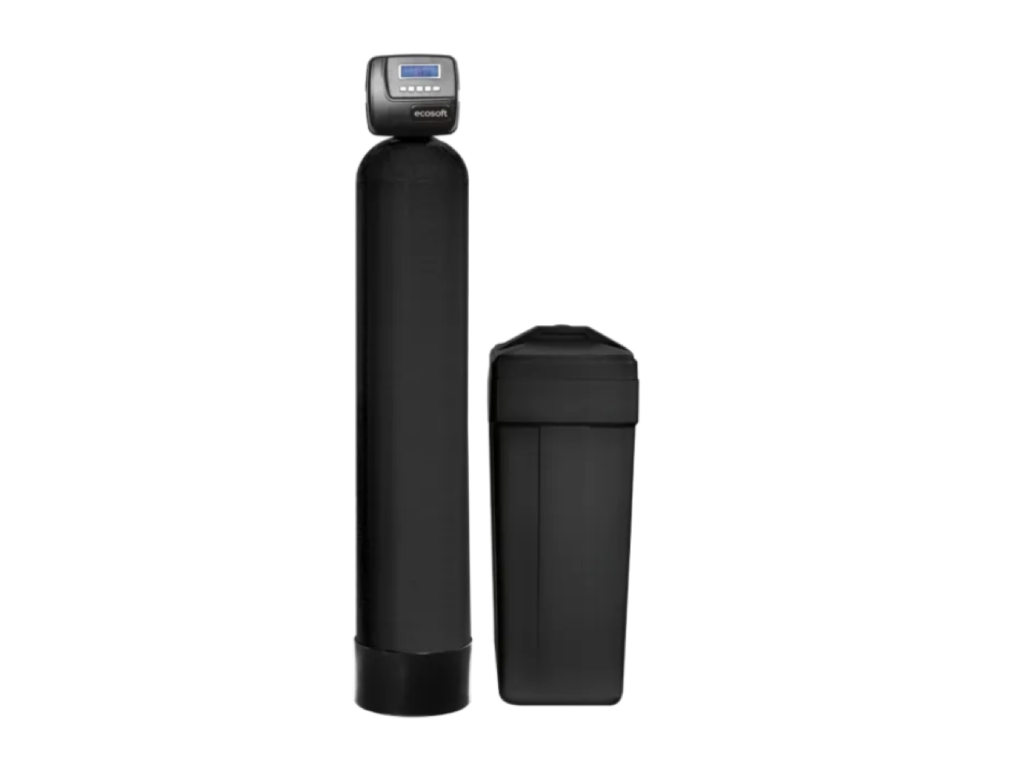
Water is a primary ingredient in every dish, drink, and cleaning cycle in a professional kitchen. Its mineral composition directly affects taste, texture, and equipment performance. A commercial water softener addresses these issues at the source, before water reaches any appliance or recipe. A water softener system commercial kitchens rely on helps maintain consistent water quality, reduce mineral buildup, and extend the lifespan of essential equipment. This article covers how water treatment improves food output, protects equipment, and contributes to a better guest experience.
Importance of Water Quality in Restaurants
Water quality affects everything from soup stock to espresso extraction. Hard water — water with elevated calcium and magnesium content — alters flavor profiles, interferes with ingredient hydration, and leaves mineral deposits on surfaces. In a restaurant environment, even minor inconsistencies in water composition create noticeable differences in final product quality.
A properly configured restaurant water system ensures consistent mineral levels across all preparation points. This consistency matters most in high-volume kitchens where output must remain uniform across hundreds of daily servings.
How Water Softeners Improve Taste and Food Quality
Softened water interacts differently with food ingredients than untreated hard water. The absence of excess minerals allows flavors to develop more cleanly, without the metallic or flat notes that calcium-heavy water can introduce.
The primary improvements in food quality gained from softened water include:
- more accurate hydration of doughs, grains, and legumes;
- cleaner extraction of natural flavors during boiling and steaming;
- better emulsification in sauces and dressings;
- consistent color retention in vegetables during blanching.
The ion exchange process at the core of modern softeners replaces calcium and magnesium ions with sodium, producing water that behaves predictably across all culinary applications.
Impact on Coffee, Ice, and Cooking
Specialty beverages are especially sensitive to mineral balance. A coffee water filter paired with a softener allows baristas to dial in extraction with precision, since hardness variation is one of the leading causes of inconsistent espresso shots. The Specialty Coffee Association recommends water hardness between 50‒175 mg/L for optimal brewing — a range that requires active management in most municipal supplies.
Ice machine protection is equally important. Hard water causes mineral buildup inside ice makers, reducing cube clarity and forcing more frequent descaling cycles. Soft water produces clearer, denser ice that melts more slowly — a visible quality signal to guests.
Consistent water composition is not a background detail in a professional kitchen — it is a controllable variable that directly affects the final product on every plate and in every glass.
Equipment Protection Benefits
Mineral scale accumulates inside boilers, steamers, dishwashers, and beverage equipment over time. Scale acts as an insulating layer, forcing heating elements to work harder and consume more energy. A 1 mm scale deposit on a heating element can increase energy consumption by up to 10%, according to water treatment industry data.
A hospitality water system with active scale prevention extends the service life of kitchen equipment and reduces maintenance intervals. Brands like Ecosoft offer softener configurations specifically designed for food service environments, with compact footprints suitable for commercial kitchen installations.
Beverage quality equipment — espresso machines, combi ovens, and steam boilers — benefits most directly, as these appliances operate with heated water under pressure, accelerating scale formation without treatment.
Customer Experience Improvement
Guests rarely identify water as the reason a meal or coffee tastes better — they simply notice that it does. Soft water contributes to this perception through cleaner flavor, better-looking ice, and glassware free from mineral spotting after dishwashing.
The visible signs of good water treatment in a restaurant include:
- spotless glassware and cutlery without manual polishing;
- clearer ice cubes with no cloudy mineral core;
- consistent espresso crema and extraction color.
These details accumulate into an overall impression of quality and professionalism that guests associate with the establishment.
Conclusion
Water composition is a controllable factor in restaurant operations, not a fixed condition. A commercial water softener integrated into the kitchen supply line improves taste consistency, protects equipment, and supports the visual standards guests expect. Facilities that manage water quality proactively spend less on maintenance and deliver a more consistent product. Consulting a water treatment specialist to assess current hardness levels is a practical first step toward measurable improvement.










