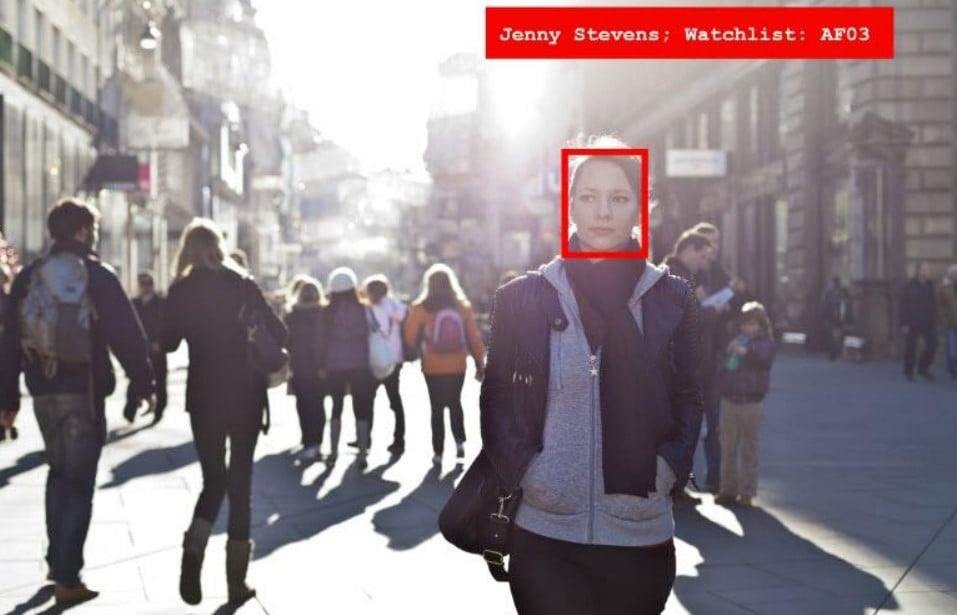
The UK Home Office is preparing to deploy live facial recognition at transport hubs and public events to identify people seeking to re-enter the country unlawfully, The Guardian reported.
The plans form part of a wider immigration enforcement programme that could also cover civil immigration breaches, extending the technology’s potential use beyond investigations into criminal offences.
Reporting on 4 November 2026, The Guardian cited government policy documents outlining plans for ‘general immigration enforcement’. A Home Office spokesperson confirmed that officials were considering further trials and examining the technology’s benefits, implications and potential future use.
Cameras Could Reduce Repeated Enforcement Visits
Live facial recognition (LFR) compares faces captured by cameras with images on a predetermined watchlist, generating an alert when a possible match is detected.
The UK Home Office says the technology could help officers locate undocumented people and resolve their cases while reducing disruption caused by repeated visits to residential addresses or workplaces.
Potential deployments include transport hubs and events expected to attract increased footfall, The Guardian added. Government documents also identify locations with ‘heightened community sensitivity’ as potentially higher-risk settings.
The department declined to clarify which events or sensitive locations it had in mind when questioned by the newspaper.
The plans follow Home Secretary Shabana Mahmood’s decision to double the immigration enforcement budget and increase its workforce by 60 per cent, with the aim of enabling tens of thousands more raids, arrests and deportations, according to The Guardian.
Police Face New Safeguards and Independent Oversight
Separately, the Home Office announced proposals on 4 November 2026 to strengthen controls over police use of facial recognition and other technologies.
An independent watchdog would oversee the use of existing and emerging technologies. Where police forces fail to follow the rules, it could pursue enforcement action that might lead to a court injunction preventing their use.
The government also plans legislation requiring police facial recognition deployments to be intelligence-led and proportionate, with officers needing grounds to believe wanted individuals may be present in a particular area.
Law enforcement technologies would also face rigorous independent testing for bias or discrimination relating to age, gender or race.
The proposals follow a public consultation which, according to the department, found support for facial recognition alongside calls for stronger safeguards governing its use.
‘The benefits are clear, but we must ensure that its use is fair, safe and proportionate,’ Mahmood said.











