It doesn’t take long to research panel heaters before you find common buying mistakes.
Most buyers make at least one of these seven errors: wrong size, efficient label, skipping certifications, lack of controls, buying for the wrong job, forgetting their circuit, and poor placement.
Avoiding them will help ensure your comfort, electric bill, and home.
Choosing The Wrong Size
Buying for price or appearance alone without comparing wattage to room size is mistake number one for many guides. They recommend around 10 watts per square foot to start and note that most plug-in heaters on North American outlets have a 1,500 watt maximum. Guidance on safety includes having a wrong-size heater as well.
Coverage is sometimes exaggerated by manufacturers. One buying guide called a claim like “Can heat 1,000 square feet” ridiculous, suggesting that realistic coverage for a 1,500 watt heater is about 150 square feet for comfortable heat. For larger rooms, the guide recommends two smaller units instead of a single oversized heater to improve circulation and reduce fire risk. Units for high-ceiling rooms should account for ceiling height by adding about 25 percent more wattage for ten foot ceilings and 50 percent more for twelve foot ceilings.
Looking Only at Wattage and Efficiency Labels
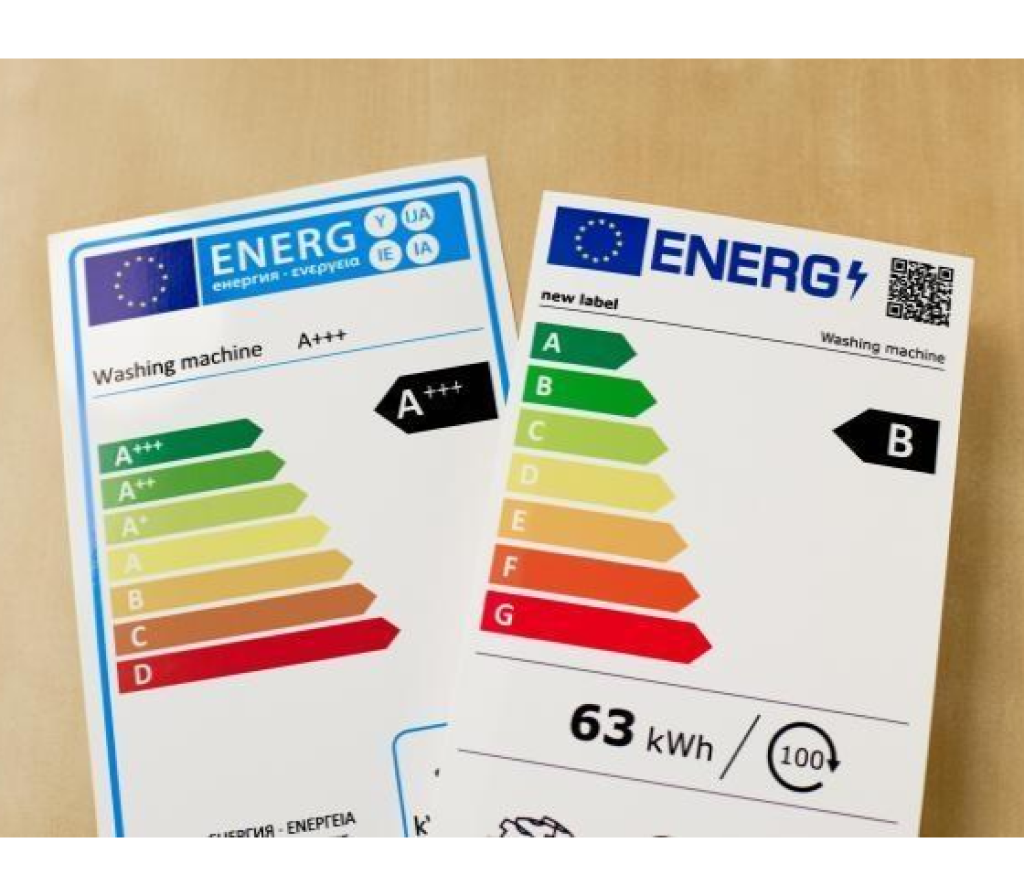
Seasonal energy efficiency ratings and wattage ratings can’t tell you how a heater will perform or feel in your room. One European shopping guide says looking solely at wattage is mistake number one, and confusing energy- efficient with low energy consumption is mistake number two. Almost all electric heaters use nearly all their power for heating, making the efficient label meaningless.
Pay more attention to controls and heat type instead. How does the heater deliver heat, and how do you change it? Does the unit have a thermostat and timer? Is it a convector, mica, or radiant heater? How do those choices work with your room? Efficiency claims with no details about controls are probably trying to sell you on marketing.
Taking Safety Features and Certification for Granted
Check for safety certifications, because “no certification” means you shouldn’t buy it. This advice comes from one guide where most safety tips begin with never assuming. Mandatory features like the tip-over switch and overheat cutoff are required by safety standards, not optional extras. In North America look for UL or ETL certification on both the unit and packaging. European buyers should look for CE marking or the GS mark to indicate safety testing.
Many product reviews complain about safety, implying cheaper units lack features. One tip outlining buyer complaints said overheating cords, burned outlets, and inaccurate thermostats were most common. These issues also suggest units that do not respect their off position if they are knocked over. Safety certifications and customer reviews mentioning them can help you avoid the problem heaters.
Ignoring The Thermostat and Timer
An inexpensive heater without precise controls could run too often or stay on too long. One tip says mechanical thermostats can be off by around 3 degrees Fahrenheit (1 degree Celsius) while digital controllers are accurate to around half a degree. That may not sound like much, but overheating or under-heating a bedroom or home office can waste money.
If possible, get a heater with a programmable timer. Models with eco or low settings can also lower running costs if you’re willing to adjust your comfort level. A plug in time switch can add basic controls to basic models if needed. You may save enough on your power bill to more than make up the difference in cost by matching your heater’s on and off periods to your daily schedule.
Buying the Wrong Type For The Job
Some rooms benefit from special heater types. One shopping tip recommends specific types based on use: oil-filled or mica thermic for bedrooms, ceramic or mica thermic for desks, and infrared heaters for workshops. A heater that feels great in a small home office might run too cool or struggle with drafts in a garage. Units that heat quickly are nice but may not be ideal if you need constant heat all night.
Consider how you’ll use the room and what you need from the heater before you buy it. Need quick heat or steady heat over a long period? Will you stay in one seat, or move around? Asking yourself questions to match your lifestyle can narrow down your choices better than price ranges.
Forgetting About Your Electrical Circuit
Your outlet may be able to handle a powerful heater, but is the circuit? 1,500 watts is near the top of what most plugs can handle because heating circuits are limited to 15 amps in North America. Electrical codes also recommend treating continuous loads like heaters as though your circuit is only 80 percent available. Continuous use of a 15 amp circuit should be no more than 1440 watts.
By the estimates above, that means don’t plug a heater into the same outlet with a refrigerator, microwave, or laser printer. Doing so can trip breakers and melt wires inside walls. If you want a higher-wattage heater, dedicate an entire circuit to it or have an electrician hardwire it safely.
Placing and Using It Badly
You can pick the perfect heater but still have problems if you’re careless with it. Three-foot clearance around heaters is the most repeated safety tip. Keep your heater away from curtains, furniture, and never blanket storage. Placement on stable, flat surfaces is another common recommendation. Never leave a heater unattended, especially while sleeping.
The number one placement mistake is extension cords. Using one as a solution to an underpowered circuit can be very dangerous. Consumer Reports advice repeated by local news recommends against using an extension cord or power strip, even heavy-duty ones. Plug the heater directly into the wall and make sure the entire circuit can support it.
One electrician noted that while heavy-duty, properly rated cords are theoretically fine, that isn’t what most consumers use. Short cords specifically designed for high-current appliances are acceptable, but cheaply made extension cords or cords bundled together can cause fires. If in doubt, follow the manufacturer’s advice.
A Quick Pre-Purchase Checklist
Measure your room and estimate the wattage you need. Confirm UL, ETL or CE safety certification, tip-over protection, and overheat cutoff are present. Controls matter, get a heater with a thermostat you can see and a timer if possible. Pick a type designed to match how you’ll use the room and check your circuit to ensure it will handle continuous load before you buy. Plan a location that doesn’t clutter a three foot “air zone” around the heater with flammable objects and is near a dedicated wall outlet.
How smart controls saved money on electric panel heaters
Mezzino is a student housing company based in the UK who partnered with Utopi to try and solve their overheating issue and reduce the amount of energy being consumed within one of their buildings. They had 290 beds within this building and were using panel heaters that had boost buttons which allowed people to increase the temperature. There was no control to stop people making the rooms too hot.
By installing Utopis smart panel heaters they were able to control the temperature from a central location. This meant the site team could limit how high the temperature could go and allow certain rooms to have higher temperatures if needed.
From Utopis case study they found that the smart panel heater solution could save up to £327 per bed a year when compared to normal panel heaters. And £73 per bed a year when compared to panel heaters with boost buttons. There was also a 79% reduction in the number of rooms over 24°C when compared to the boost button solution.
This is just one example of how smart controls can save you money on your panel heater. You shouldn’t expect these savings to happen in your home but it does show that having some form of temperature control can be beneficial when purchasing an electric panel heater. Whether that be a thermostat, timer or smart controls.
FAQs
What size electric panel heater do I need?
It will depend on the size of your room. Floor space, height of ceiling, insulation, windows and any draughts will all play a part. You can work out an estimate using watts per square metre but if your room isn’t well insulated or has a high ceiling you may need a larger heater. Always check the manufacturer’s recommendations.
Are electric panel heaters expensive to run?
It depends on the wattage of your heater and how long you have it on. If you have a 1,500w heater on full blast for 4 hours that would use 6kwh. At 25p per kwh that would cost you £1.50. Having a thermostat will lower this as it will turn your heater off once the room reaches your desired temperature.
Do electric panel heaters use less electricity than other types of heaters?
They can but not always. Most traditional heaters will convert nearly all the electricity into heat at the source. So it will come down to how much heat you need and what controls your heater has.
What safety features should I be aware of when buying a panel heater?
Always read the manufacturer’s safety information and look for safety features that may be applicable to your heater. Such as overheat protection or tip over protection (on some portable heaters). Make sure you buy from a reliable retailer and check the products conformity information. Follow any installation guidance provided by the manufacturer.
Is it worth getting a thermostat or timer?
Having a thermostat will allow you to keep your room at a certain temperature. A timer or programmable feature will allow you to have your heater on at certain times. Both of these features can help you save money by not having your heater on when you don’t need it.
Can I plug my panel heater into an extension lead?
No. Electrical Safety First states that you should never power a portable heater via an extension lead. As they can become overloaded and overheat. Plug your portable heater directly into a socket and follow the manufacturers instructions. If you notice your plug is hot, burnt or you get a burning smell. Or your fuse keeps blowing, stop using the appliance and get advice.










