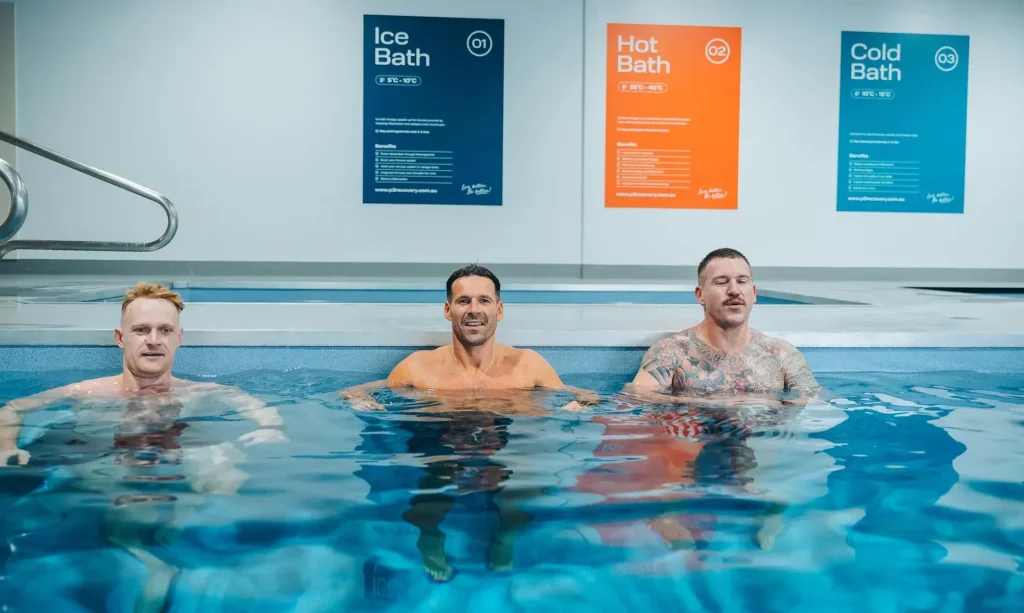
Cold plunges and contrast therapy are a common part of an athlete’s recovery routine. They provide a variety of benefits, from reduced muscle inflammation to improved mental resilience. How well you follow the protocols, however, determines how effective these treatments are. In this article, you’ll learn the seven important parameters to monitor to ensure your cold recovery is safe and effective.
1. Establishing the Therapeutic Window for Temperature
There is a sweet spot for cold water immersion, usually between 10° and 15°C. If it gets below 10°C, you might also get a strong cold-shock response, where your heart rate and blood pressure rise to levels unnecessary for muscle recovery. However, temperatures above 15°C might not give enough thermal stimulus to reduce the inflammation and cause vasoconstriction effectively.
2. Adhering to Controlled Duration Limits
The biggest mistake that individuals make with cold bath recovery is staying in too long, thinking that longer is better. Typically, 10 to 15 minutes will provide the physiological response required in a typical recovery session. Excessive time in the water, which is greater than 20 minutes, greatly increases the risk of cold injury to superficial nerves and can lead to dangerous reductions in core body temperature.
3. Monitoring Your Core Body Temperature
You don’t have to take your internal temperature, but you do have to watch the external signs that your body gives you that your core temperature is dropping too fast. If you start shivering uncontrollably, if your hands or feet go numb, or if your speech becomes slurred, you need to get out of the bath. Don’t take cold plunges alone, ever, so ensure that you have a dry towel and a set of dry clothes close by.
4. Managing the Intensity of Contrast Therapy
With contrast therapy, like alternated hot-and-cold therapy, you need to be careful about the ratio of hot to cold exposure. Commonly used protocols are 1:3 or 1:4, for example, 3 minutes in a cold bath followed by 9 minutes in a warm environment. Remember that you are trying to create a pumping effect in your vascular system, but too many temperature swings can put unnecessary stress on your heart.
5. Respecting Individual Physiological Adaptation
If you are new to cold therapy, start at the higher end of the temperature spectrum, say 15°C, and shorter durations, say 5 minutes, and then gradually work your way down. Don’t measure your protocol against other individuals but rather how your body feels during and after the session. But if you feel fatigued instead of refreshed, your recovery protocol is too intense and needs to be dialled back.
6. Hydration and Nutritional Readiness
Dehydration and underfuelledness reduce your body’s ability to thermoregulate when immersed in cold. Keep in mind that you should also be well hydrated and well fed before you go to the cold bath. Your body needs energy to keep up its core temperature in a cold environment. That’s why if you are fasting, your resilience to the cold will be lower, making the recovery process counterproductive.
7. Post-Plunge Rewarming Procedures
Don’t jump straight into a piping hot shower; this can cause the blood vessels to dilate quickly and your blood pressure to drop. Instead, lightly move around for a couple of minutes so your body can naturally rewarm itself, or take a tepid, warm shower to help raise your skin temperature. The rewarming phase is just as important as the plunge itself to avoid cardiovascular stress and to have a smooth recovery.
Elevate Your Recovery Standards with Cold Bath Recovery
Cold bath therapy is a high-impact recovery tool, but safe use requires a disciplined approach. Tracking these seven parameters makes your recovery routine more of a controlled scientific practice that supports your training. Furthermore, if you’re using a professional recovery facility, talk to the technicians there to create a protocol that matches your current fitness level and training load.










