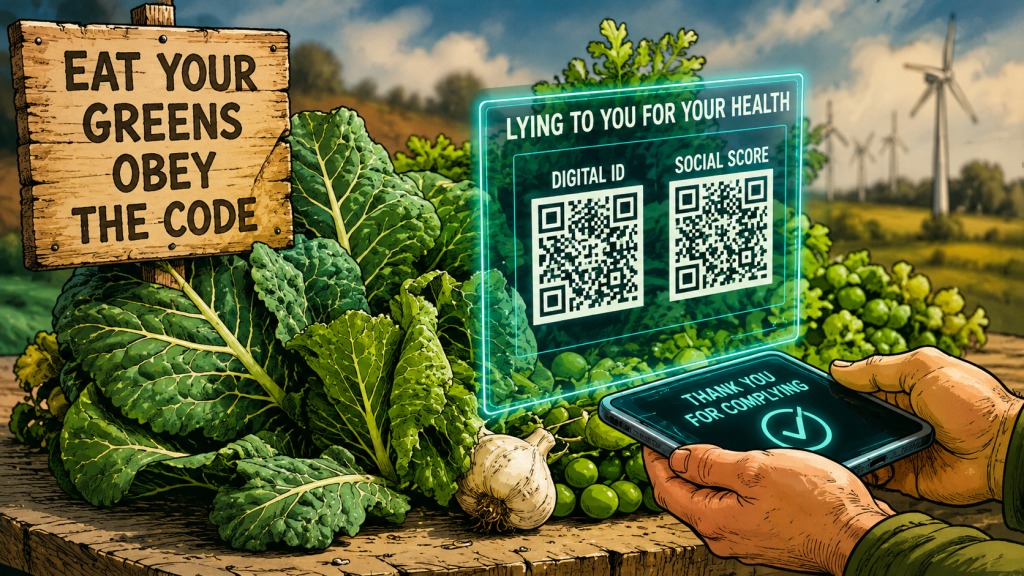
QR codes are usually associated with convenience. In the Seed Act 2026, they become something else entirely: extending traceability to what is grown before it enters the supply chain, changing who has control over our food.
The Seed Act 2026 is presented by the Union Government of India as a necessary modernisation measure to curb the circulation of fake or substandard seeds.
The stated aim is the rollout of a new nationwide traceability system that mandates QR codes on all seed packets, compulsory registration for all commercial seed entities and significantly heightened penalties—up to ₹30 lakh (€27,000+ euros) and three years’ imprisonment—for seed fraud.
The government has consistently maintained that the Seed Act 2026 is designed to regulate only the commercial seed trade and will not interfere with the long-standing rights of farmers to save, sow, exchange or share seeds within their communities.
Officials emphasise that these traditional, non-branded and community-based practices remain a vital part of India’s agricultural heritage and are explicitly exempt from the registration and digital traceability requirements imposed on commercial entities.
While the government maintains that the Act will rebuild farmer trust, streamline quality control and strictly protect the traditional rights of farmers to save, share and exchange seeds, critics like the Samyukt Kisan Morcha (an umbrella coalition of 400+ farmers’ unions) view these reforms as a well-worn corporate strategy of enclosure that eradicates seed and food sovereignty.
Read more: Seeds of Surveillance: The Track and Trace Playbook











