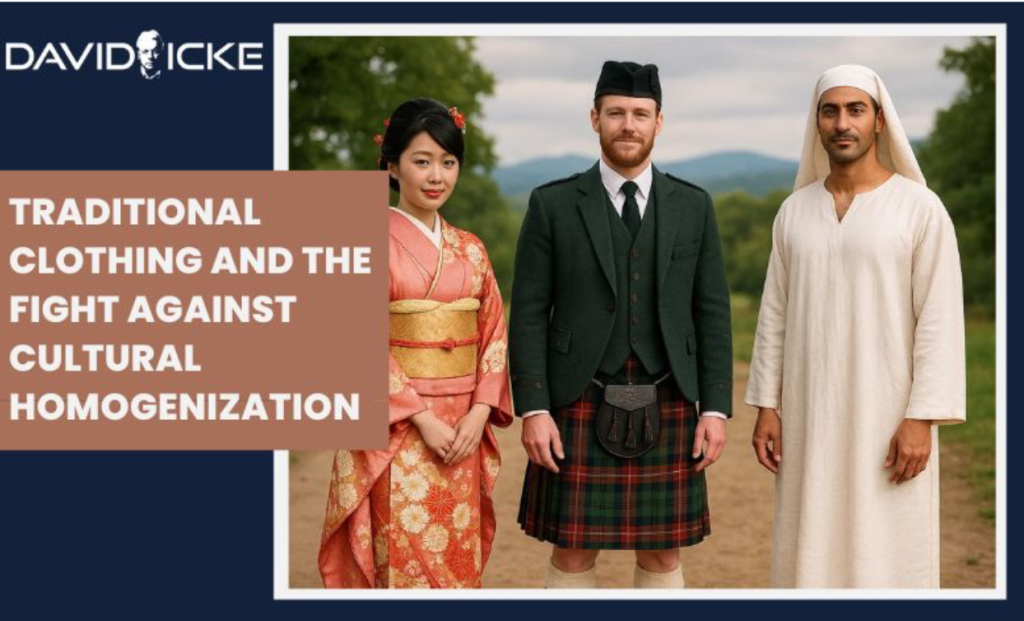
Having traditional identities is common for every country, and most have their traditional clothing, such as tunics in Egypt, kimonos in Japan, and kilts in Scotland. Global fashion has been evolving every year, resulting in cultural homogenization. Therefore, traditional clothing faces all rough and tough things but maintains its charm. Here we will discuss the efforts of traditional clothing for preservation, the symbolism behind traditional clothing, and how they balance modernity and heritage in this fast-paced world.
Cultural Significance of Traditional Clothing
Traditional clothing is always of great value, whether it is an Indian saree or a Scottish kilt. Every cultural dress mirrors the heritage, historical tales, and belongings of the nation. These identities are hidden in their patterns, styles, and colors, reflecting communities’ structure and history. These dresses are often formal ones and not worn as everyday wear explaining how respectful they are. Above all, they enhance the element of unity and preserve the traditions.
The Rise of Global Fashion and Cultural Homogenization
There is no specific date that describes the rise of global fashion when cultural homogenization came into being. It is because things change daily, and fashion sets a new trend every other day. Regarding the overall rise of global fashion, we see people adopting trends and modifying their dresses with new styles during the 1950s.
An example of that era is Christian Dior’s “New Look,” which was introduced in 1947. The fashion trend was specific to ladies, and they started wearing full skirts secured with belts. A significant number of countries adopted this fashion wrestling in cultural homogenization. The traditional style began to fade, and that was an outcome of all things becoming the same.
The Kilt as a Case Study
Feminine fashion was hugely impacted, and traditional dresses of many countries started to become a part of the past. However, some nations managed to preserve their historical dresses, and Scottish tartan kilts are a common example. Let us explore how they came into being and why they are still unimpacted by global fashion.
Historical Roots and Cultural Significance
Scots have been wearing kilts for many centuries and their documented record takes us back to the 16th-17th century. They are made with a specific checkered fabric known as tartan. Every tartan has distinctive patterns representing the Scottish clans. Scots today wear their family tartan at formal events to admire their forefathers and culture.
Modern Usage
Global fashion made efforts to impact Scottish them, but the traditional tartan kilts were strong and remained unimpacted. As an outcome of the fashion trends, many types of women’s and men’s kilts, such as denim, hybrid, and utility, came into being but primary design is still the same. All later invented kilts are versatile and suitable for all kinds of occasions, from formal to casual and even everyday wear.
The Preservation of Kilts
It is the nature of Scots to preserve their nature. This is the reason their traditional clothing is globally worn today. Events like the Jacobite Rebellion in 1745 and The Dress Act in 1746 could not minimize their cultural value.
Many factors, such as Highland games, educational materials, and most importantly, the love of Scots for their culture, played a part in this preservation. They made it obligatory to wear tartan kilts at every formal event to tell others how much they honor their tradition.
Traditional Clothing as Cultural Activism
The cultural dressing shares and protects a community’s worth, which is cultural activism. This approach reminds people how valuable the tradition is and why it is necessary to preserve long-standing customs.
Traditional dress also transfers values and tales to future generations by linking younger people to their heritage. Likewise, they help youth to understand the significance of their culture. In short, wearing these garments at festivals or public gatherings means promoting the culture and intercultural respect for dresses.
Balancing Heritage and Modernity
Traditional dress faces various challenges when it comes to balancing tradition and modernity. Therefore, it is important to maintain this equilibrium to keep the heritage alive in this fashion-forward world.
- Some countries alter their traditional attire while keeping cultural symbolism to suit contemporary fashions. Kilts are the best excuse for it.
- Traditional clothing is possible to incorporate into everyday wear, thanks to global fashion.
- Both contemporary styles and traditional pride merge peacefully to develop a sense of connection to cultural heritage.
- While maintaining their usefulness in contemporary settings, historic textiles and styles are preserved because of advancements in textile production.
Final Thoughts
Without a doubt, wearing traditional clothing is a significantly worthy practice to admire the heritage and show association with a specific culture. Therefore, the homogenization, which is the most popular output of global fashion, has the ability to fade the charm of traditional dress. Therefore, many nations make efforts to preserve their heritage. However, it is important to maintain a balance between heritage and modernism for desired results.
Reference
https://www.chhs.colostate.edu/avenir/exhibitions/past-exhibitions/diors-new-look/
https://www.britannica.com/topic/kilt
https://en.wikipedia.org/wiki/Dress_Act_1746










