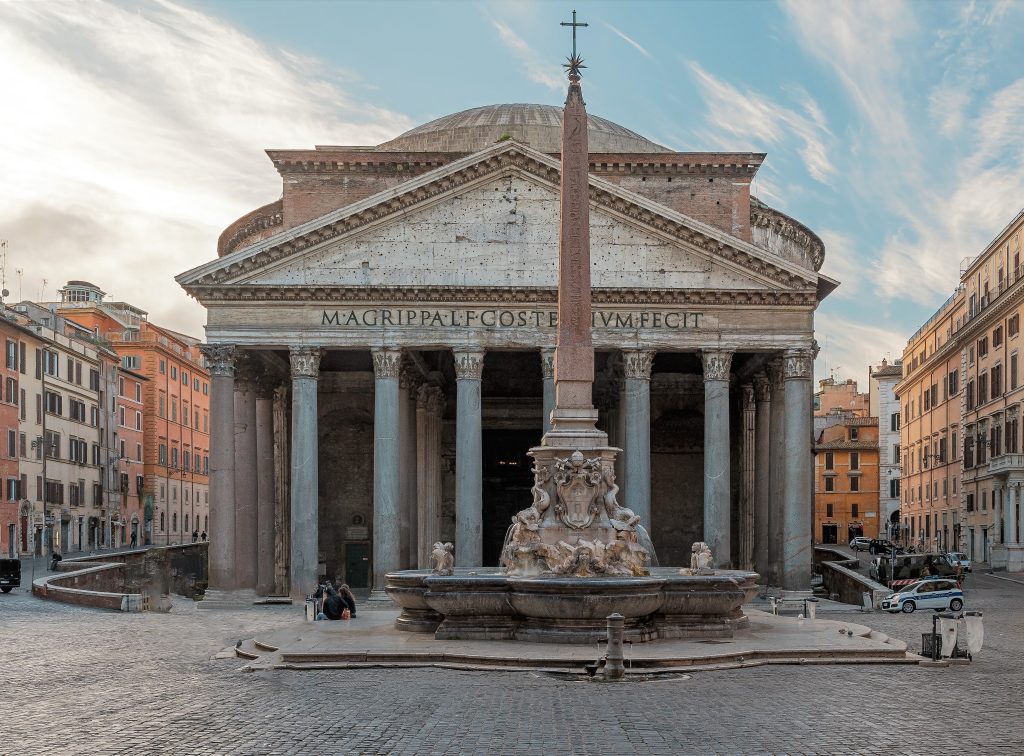
Snack food may seem a small detail in a country’s cuisine, but in Europe, it provides a fascinating glimpse into history, lifestyle, and regional culture. Between pastries and bites, what one grabs between meals tells far more about history than about convenience. European snacks are determined by local ingredients, tradition, and daily life, and offer a welcome introduction to the culinary richness of the continent.
The Cultural Function of Snacking in Europe
Snacking habits differ hugely throughout European countries. In some, it is fine to snack all day, while in others, there is more focus placed on formal meals. But in both of these settings, there is a role for snacks. They can be socialized – eaten among friends at coffee time – or functional, such as energy throughout the day at the office. These breaks in time show the manner in which people interact with food and with each other.
Ingredients That Reflect the Landscape
Whatever is produced locally will generally comprise the base of everyday snacks. In the Mediterranean, there is olive oil, nuts, and dried fruits added to most snack-sized portions. In the northern nations, you can have rye crisps or smoked fish snacks. All this is done by connecting the land to a sense of flavor identity. Rather than uniting what constitutes a snack, each country offers its own version, based on tradition and what is available.
How History Shapes Snack Choice
Many of Europe’s most popular snacks possess a rich history. Others were developed to be convenient for laborers or soldiers. Others were created during times of austerity with the fewest ingredients possible to survive with maximum enjoyment. Along the way, these foods have passed the test of time, not solely for convenience, but because they evoke memory and meaning.
Snacks as Symbols of Tradition
Some European snacks are inseparable from seasonal festivals or local celebrations. A pastry that is eaten during Easter in one community will not be seen at the table during any other season. This ritualistic quality to snacking makes it culturally meaningful. It is a signpost of place and time – something that roots people in their community and calendar.
Modern Takes on Traditional Favorites
While most European treats remain faithful to their origins, their existence has now made some changes. Portion sizes and ingredient choices have been influenced by health consciousness. The generations that follow the one currently alive are also looking for treats that are not merely tasty but green and part of their food faith. However, the character remains the same. Regardless of their packaging or reimagining with a twist in a contemporary fashion, the treats carry a sense of history with them.
A Bite that’s More than a Snack
When you pick up a European snack – a biscuit, a crisp, or cured meat – you’re likely to have something historical in your hand. These foods can tell you what a culture values, how it solves issues like between-meal hunger, and how it achieves its homey quality. Understanding these little bites builds a better picture of life in Europe.
Final Thoughts
European snacks are not filler – they’re rich with meaning, created from local custom, and built into the rhythms of everyday life. They are stories of place, people, and taste. Whether eaten on a street corner or brought on a hike, European snacks demonstrate that food can be straightforward yet inherently significant. The next time you take a bite, take a second to consider where it came from. You might be tasting more than a snack – you might be tasting tradition that has hummed along in the background for generations.










