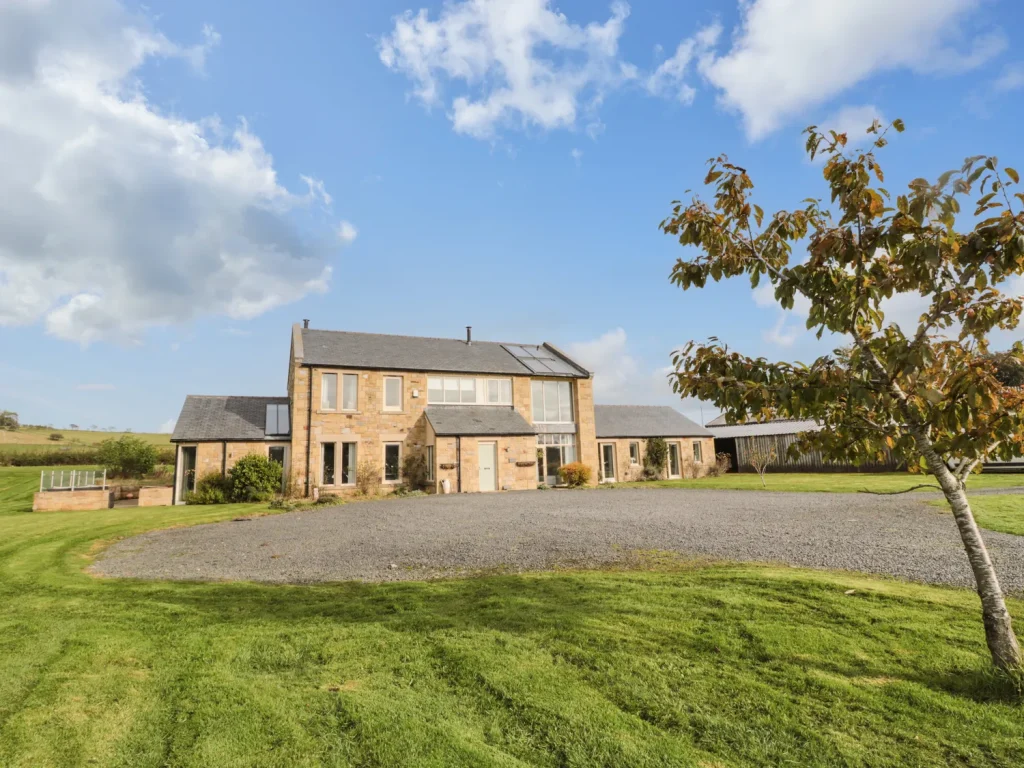
The rise of online booking platforms has transformed the UK rental landscape, leaving many property owners in Cumbria wondering whether to pursue traditional long-term tenancies or pivot toward the short-term holiday let market. This decision carries significant financial implications, with potential returns varying dramatically based on location, property type, and management approach. Consulting with knowledgeable estate agents in Cumbria can provide valuable insights into local market conditions and help landlords make informed decisions for their specific circumstances.
Understanding the Cumbria Rental Landscape
Cumbria’s unique geography and tourism appeal create distinctive rental market conditions:
- The Lake District National Park attracts over 19 million visitors annually, creating substantial demand for holiday accommodation
- Popular locations like Windermere, Ambleside, and Keswick see dramatic seasonal fluctuations in visitor numbers
- Rural properties often command premium short-term rates but may experience significant off-season vacancies
- Urban centers like Carlisle provide more consistent year-round rental demand for long-term tenancies
- Coastal areas offer a middle ground, with extended peak seasons but less extreme winter downturns
This varied landscape means there’s no one-size-fits-all answer to the short-term versus long-term question for Cumbria property owners.
Financial Considerations: Revenue Potential
Short-Term Let Income
In prime Cumbrian locations, short-term holiday lets typically generate significantly higher nightly rates than long-term equivalents:
- A two-bedroom cottage that might achieve £700-800 monthly on a long-term let could command £100-150 per night during peak season
- Properties in premium locations like Bowness-on-Windermere or Grasmere can achieve even higher rates, particularly those offering distinctive character or exceptional views
- Well-presented properties with quality amenities consistently outperform basic accommodations, with features like wood-burning stoves, hot tubs, and pet-friendly policies commanding substantial premiums
However, this higher rate potential must be balanced against occupancy realities. Even in popular Cumbrian destinations, achieving year-round bookings is challenging:
- Peak season (June-August) typically sees 80-95% occupancy in well-marketed properties
- Shoulder seasons (April-May, September-October) might achieve 60-75% occupancy
- Winter months (November-March, excluding holiday periods) often drop to 30-50% occupancy
- Properties in less-established tourism areas face steeper seasonal variances
Long-Term Rental Income
Long-term rentals offer more predictable, if lower, returns:
- Consistent monthly income without seasonal fluctuations
- Typically 90-95% annual occupancy when accounting for brief void periods between tenancies
- Lower management intensity and reduced ongoing costs
- Potential for annual rent increases to keep pace with inflation
In Cumbria’s less tourism-dependent areas, the gap between short-term and long-term rental yields narrows considerably, making traditional tenancies more attractive in places like Penrith, Workington, or Barrow-in-Furness.
Cost Considerations
The expense side of the equation significantly impacts overall profitability:
Short-Term Let Costs
Holiday lets incur substantially higher operational costs:
- Changeover cleaning (£60-120 per turnover depending on property size)
- Higher utility costs with guests typically using more heating and hot water
- More frequent maintenance and replacement of furnishings due to heavier wear
- Marketing costs across multiple platforms
- Management fees (typically 15-25% of revenue if professionally managed)
- Additional insurance requirements
- Business rates rather than council tax in many cases
These costs can consume 30-50% of gross revenue, significantly reducing net returns.
Long-Term Rental Costs
Traditional tenancies involve lower ongoing expenses:
- Reduced management fees (typically 8-15% for full management)
- Lower maintenance costs with tenants handling minor issues
- Longer replacement cycles for furnishings and appliances
- Simpler tax treatment and potentially beneficial mortgage terms
- Fewer regulatory compliance requirements
Regulatory Considerations
The regulatory landscape increasingly impacts the short-term rental market:
- Planning permission may be required to change use from residential to holiday accommodation in some Cumbrian areas
- The Lake District National Park Authority has introduced policies to control holiday let density in some communities
- Enhanced fire safety regulations apply to holiday accommodations
- Mortgage terms often differ between residential buy-to-let and holiday let properties
- Tax treatment varies significantly between the two models
Long-term rentals face their own regulatory framework, including tenant protection laws, deposit protection requirements, and increasingly stringent energy efficiency standards.
The Workload Factor
Beyond pure financial calculations, time commitment varies dramatically between rental models:
Short-Term Let Management
Holiday lets demand significantly higher time investment:
- Guest communication and booking management
- Arranging cleaning and maintenance between stays
- Resolving guest issues promptly, often outside business hours
- Regular property checks and seasonal maintenance
- Continuous marketing and rate adjustments
While management companies can handle these tasks, their fees substantially reduce profitability.
Long-Term Rental Management
Traditional tenancies typically require less hands-on management:
- Finding and vetting tenants (potentially once every 1-2 years)
- Conducting periodic inspections
- Addressing maintenance issues as they arise
- Managing annual rent reviews and tenancy renewals
This reduced workload makes long-term rentals particularly attractive for landlords managing properties remotely or alongside other commitments.
Hybrid Approaches
Some Cumbrian property owners adopt mixed strategies to maximize returns:
- Operating as a holiday let during peak summer months while offering longer (3-6 month) winter lets
- Maintaining flexibility to use the property personally during quieter periods
- Transitioning between models as market conditions evolve
These approaches require careful planning and clear communication with booking platforms and guests but can potentially capture the benefits of both models.
Location-Specific Considerations
Estate agents in Cumbria emphasize that location remains the most significant factor in this decision:
- Properties within the Lake District National Park generally achieve the highest short-term let returns
- Coastal locations like St Bees and Silloth offer good seasonal returns with less intense competition
- Properties in Carlisle and other urban centers typically perform better as long-term rentals
- Rural properties outside established tourism hotspots often struggle to achieve sufficient holiday let occupancy to outperform long-term options
Making the Decision
For Cumbrian property owners weighing these options, several questions can guide decision-making:
- Can the property command premium nightly rates due to its location, character, or amenities?
- Is there capacity to manage the higher workload of a holiday let or budget for professional management?
- How important is predictable monthly income versus potentially higher but more variable returns?
- Are there personal plans to use the property occasionally?
- What financing arrangements are in place, and how do they restrict usage?
Consulting with estate agents in Cumbria who specialize in both rental markets can provide property-specific insights and realistic projections based on actual performance data from comparable properties.
Conclusion
While short-term holiday lets can generate significantly higher gross income in Cumbria’s tourism hotspots, their higher costs and management requirements mean they aren’t automatically more profitable than long-term rentals. The optimal strategy depends on specific property characteristics, personal circumstances, and financial objectives.
For many Cumbrian property owners, the decision ultimately balances financial returns against lifestyle factors, management capacity, and long-term investment goals. Taking time to thoroughly research both options, including speaking with local estate agents and existing landlords in both markets, provides the foundation for making an informed choice that maximizes both returns and satisfaction.










