ill Kansas City win a third Super Bowl in a row? Many US football fans will think so, but how many will bet on it?
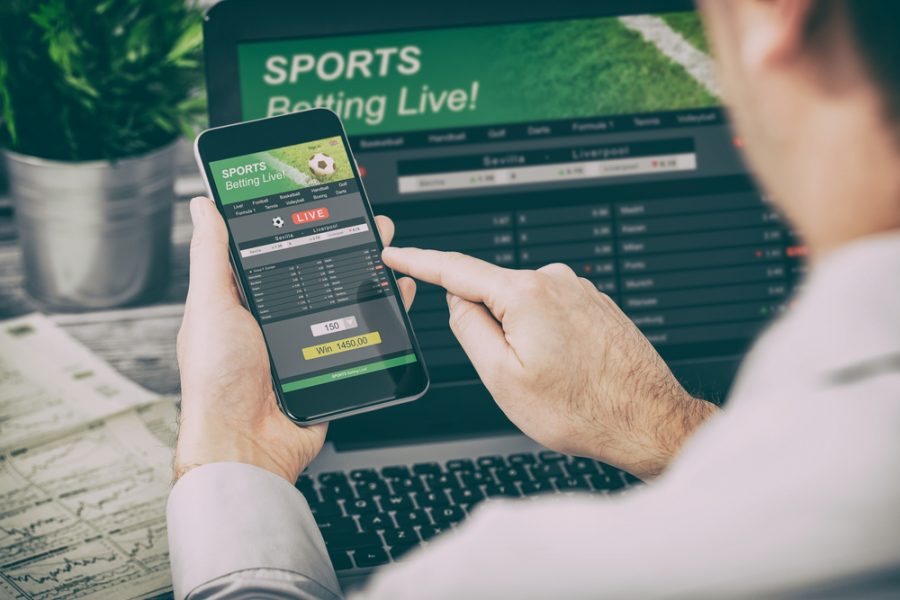
Sports gambling skyrocketed during the pandemic and given the revenues for companies like FanDuel and DraftKings, it looks like it’s only accelerated since. But at what cost? Is it all fun or are some people losing their shirts and their families?
Companies like FanDuel and DraftKings offer tempting “matches” so that they will often give a gambler a 25%, 50%, or even 100% match on deposited funds. So with a 50% match, a $1,000 deposit would become $1,500. The only condition is that you bet the total amount before you can withdraw anything. And once you start betting a lot, it’s hard to stop. Experts explain how gambling rewires the brain much like certain drugs.
I’ve met a few very successful gamblers and a key lesson I learned talking to “winners” is “It’s not how often you win, but that when you win you have to win big.”
The middlemen, the bookies, and the FanDuels of the world have the odds stacked in their favor. As I looked at my own gambling, the spread (if you backed both sides to win) is often well over 9% even on big markets like NFL or NBA games, and over 30% on lesser sports such as smaller tennis or golf tournaments. At the Paris Olympics, where recent data were limited since competitors had not faced one another in months or even years, the spreads were over 60%.
Compare this to trading a stock like Apple, where the spread is less than one percent. The large spreads mean bookmakers make a lot of money as long as enough people take both sides of a bet. It’s why gambling companies give people so much money, or boost potential profits on individual bets, because they know that as long as the market is large enough their returns will be significant.
In essence, to win any money at all over time you have to beat random chance by well over 9%, and probably closer to 15%. I never did, which is why I lost thousands of dollars.
Successful professional sports gamblers bet large amounts on specific sports they know very well and only when the odds are favorable. In other words, they are patient, have a plan, and stick to it. Betting smaller amounts regularly on sports where there is a lot of randomness, or where one doesn’t have specialist knowledge, is doomed to failure.
Big Market for Suckers
The market for US online sports gambling was estimated at over $91 billion in 2023, with an annualized growth rate of over ten percent, projected to rise to $245 billion in a decade. Over half the US states ban gambling so as those restrictions likely ease, revenue may rise well above the trend.
Other nations have seen the same growth. On a per capita basis Australia has an even larger market than the US at over $4.5 billion this year. Over a fifth of the population (5.6m) will be gambling online within a few years. Canada may have an even higher number of players per capita.
Infant Market Participants Crave Market Share
Part of the reason companies are so generous with matches, profit boosts, and other gifts is that new markets often have lots of entrants which are whittled down to a handful in more mature markets. FanDuel, DraftKings, BetMGM, Pointsbet, ESPN Bet, Bet365, Fanatics, HardRock Bet, Caesars, BetRivers, BallyBet, and dozens of smaller companies or sport-specific groups are vying for market share. Most will probably not survive, and their client lists will be sold to the highest bidders. None of these companies are consistently profitable yet, so the player incentives will continue until the weaker companies are culled.
Gambling Problems: The Nasty Side of Sports Betting
Most men don’t talk about their failings, especially the stiff-upper-lip sporty types. I casually mentioned to someone I had just played golf with that I lost $100 on a bet on a tennis match while we were golfing. He said his son won $17,000 the night before on a football parlay (several linked bets). Others were amazed by this success since they usually lost. This opened up a broader discussion amongst seven men at the bar; five of whom had gambled within the previous week. These were all middle-class professionals; two ran their own businesses, one was a lawyer, another a physician, and another a banker. While their careers had had volatility most had stable jobs, and all said they bet online because they were bored, and it provided excitement. And it all started during Covid when they were unable to undertake their normal leisure activities. I’m not sure if any would have admitted to massive losses but their tone suggested all lost.
Read More – The Rise of Gambling Addiction: Another Cost of Covid










