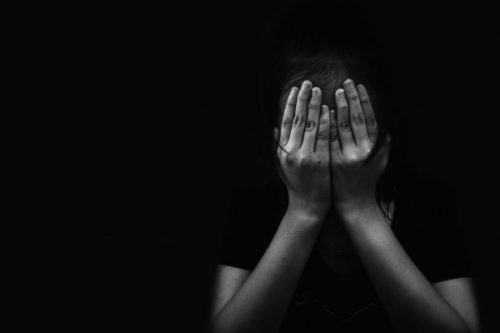
Historic apology by PM Christopher Luxon comes after landmark report that exposed decades of abuse in state and faith-based care institutions
New Zealand’s prime minister Christopher Luxon has formally apologised to the more than 200,000 children and adults who suffered “horrific” and “heartbreaking” abuse and neglect while in state and faith-based institutions.
The historic apology follows a harrowing landmark report, released in July, which laid bare the scale of abuse that occurred across care institutions from the 1950s onwards. It was the most complex royal commission inquiry the country has held. The judge who chaired the inquiry, Coral Shaw, described the abuse as a “national disgrace and shame”.
Luxon delivered the national apology at parliament on Tuesday. Survivors attended events around the country and filled the public gallery to witness the address. Many quietly wept as the prime minister spoke.
“Today I stand before you as the representative of not only this government, but all of the governments that have gone before us to offer a formal and unreserved apology for the abuse you suffered while in state care, churches and other faith-based places,” Luxon said.
“It was horrific. It was heartbreaking. It was wrong. And it should never have happened.”
“Your stories left many of us stunned that this could have happened here in New Zealand. But not you – you knew the truth because you lived it, and you have waited and waited for people to start listening to you. Now New Zealand has listened.”
The inquiry estimated that of the 655,000 people who went through New Zealand’s care institutions from the 1950s, roughly 200,000 were abused, and said the true number of survivors could be much higher.
It found sexual, physical and emotional abuse and neglect was widespread and systematic, resulting in significant trauma to the survivors – many of whom went on to experience homelessness, poverty, addiction, devastating effects on health and mental health, and reduced opportunities for education and work. Some survivors were subjected to torture.
Māori were disproportionately affected and faced disconnection from their culture and identity, and in some cases were put on a path towards gang membership, imprisonment, and suicide.
The perpetrators included caregivers, religious leaders, social workers, and medical professionals.
Tupua Urlich, who suffered sustained abuse after being placed with a non-family caregiver aged 5, travelled from Auckland to attend the apology. Urlich told the Guardian he was attending for himself, his father and his uncles who had all been abused in care and who had since died, some from suicide.
Read More: New Zealand offers ‘unreserved’ apology to 200,000 survivors of ‘horrific’ abuse in care











