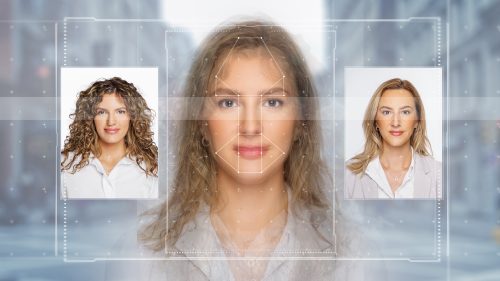
Face search websites can help protect your privacy, but they can also be abused. Try these steps to protect yourself.
I recently handed over a selfie and a digital copy of my driver’s license to a company I don’t trust, the face image search engine PimEyes.
I did this to find and delete myself from the PimEyes searchable Rolodex of faces. The free website scans through billions of images from the internet and finds matches of your photo that could have appeared in a church bulletin or a wedding photographer’s website.
PimEyes says it empowers people to find their online images and try to get unwanted ones taken down. But PimEyes face searches are largely open to anyone with either good or malicious intent.
People have used PimEyes to identify participants in the Jan. 6, 2021, attack on the Capitol, and creeps have used it to publicize strangers’ personal information from just their image.
The company offers an opt-out form to remove your face from PimEyes searches. I did it and resented spending time and providing even more personal information to remove myself from the PimEyes repository, which we didn’t consent to be part of in the first place.
The increasing ease of potentially identifying your name, work history, children’s school, home address and other sensitive information from one photo shows the absurdity of America’s largely unrestrained data-harvesting economy.
You can take measures to protect your privacy — I’ll suggest a couple for your images — but individuals are outgunned.
Privacy and security experts were divided on whether it’s worth opting out of PimEyes. I’ll share my experience and reporting so you can decide for yourself.
How PimEyes works
The website is conceptually similar to Google, except you’re searching for facesfrom across the web instead of information.
Give PimEyes a digital photo of yourself, and the results show slightly blurred snapshots of your image that have appeared on publicly available websites, blogs, online photo albums and more.
PimEyes says you can only use a photo of yourself, although nothing stops you from searching with someone else’s image. The results don’t include names, just images and previews of links where those images appeared. You can still learn a lot about people.
Read More: They made a public Rolodex of our faces. Here’s how I tried to get out











