
Breathing in a level of air pollution common in the UK could increase the risk of male infertility by 25 per cent, a study warns.
The analysis by Danish researchers also found women exposed to traffic noise levels common in England led to a 14 per cent increased risk of infertility.
British experts say the findings are limited, but if confirmed could have ‘profound effects on future generations’.
Their findings are based on national study of over 500,000 men and nearly 400,000 women aged between 30 and 45 with fewer than two children, who were living in Denmark between 2000 and 2017.
Experts analysed their reproductive health and looked for patterns with long-running data on the air and noise pollution at their address.
For air pollution they specifically looked at PM2.5 which means tiny material less 2.5 micrometres in diameter created by road traffic and burning of fossil fuels in urban settings.
They found Danish men exposed to an annual average of 2.9 micrograms of fine particles of pollution per cubic metre, had a 24 per cent increased risk of infertility.
Worryingly, the latest data shows the annual average level of PM2.5 in UK cities is nearly double this figure.
However, this can rise to numbers as high as 10 in places like Brighton.
While the Danish researchers didn’t observe a similar impact of PM2.5 exposure on women’s fertility they did see a similar affect from noise pollution.
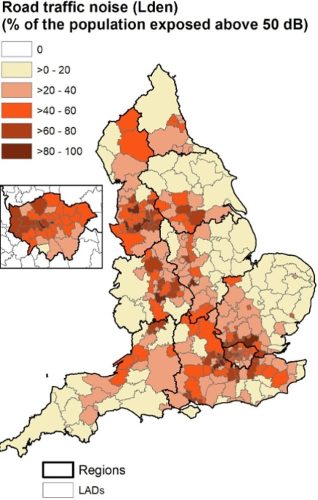
Noise pollution refers to excess levels of sound from things like road traffic and has been linked to a reduced of sleep and increased stress with knock-on effects to cardiovascular health and mental health conditions.
Exposure to 10.2 decibel higher than average levels of road traffic was linked to a 14 per cent increased risk of infertility among women older than 35.











