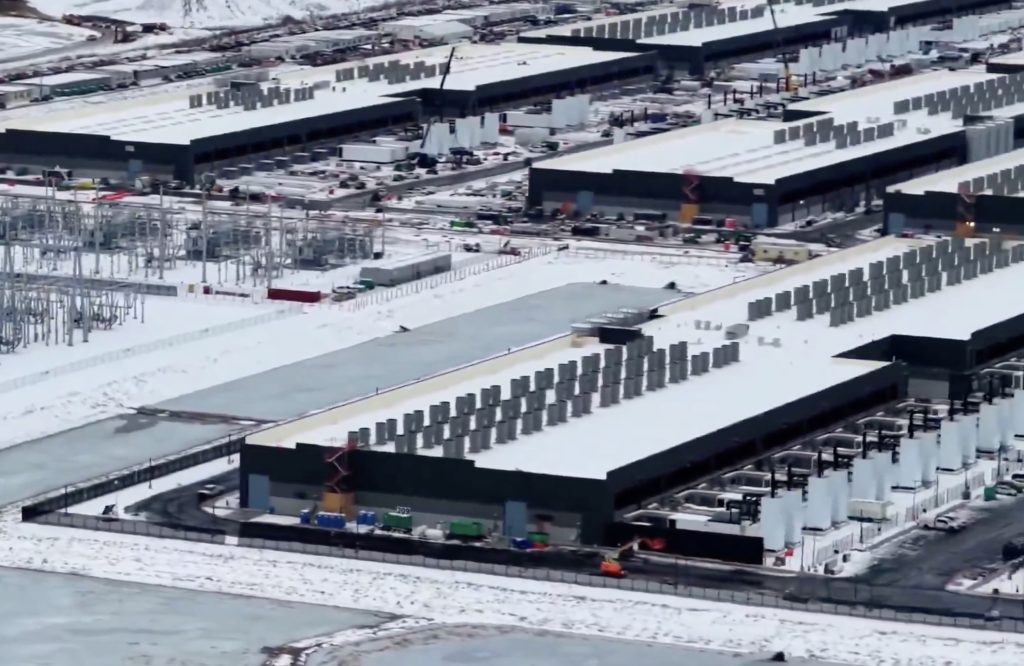
Shocked residents in a group of sleepy villages have discovered they will be surrounded by a mammoth data centre and solar farm, larger than Heathrow Airport.
The inhabitants of Tilney St Lawrence and nearby settlements near King’s Lynn, Norfolk, have reacted with anger and astonishment after learning of the vast proposed project only two weeks ago.
Within days, the Fenland community, amid some of the best farmland in the world, went on a ‘war footing’, determined that they will see off the Big Data moguls threatening their way of life.
A petition set up to oppose the plan has already collected a remarkable 43,000 signatures in just a week.
The planned development dwarfs any similar facility currently in the UK and covers a mind-blowing 4,700 acres, around 2,600 football pitches – making it 50 per cent larger than Britain’s biggest airport.
Developers say the Longmarsh Green Energy project will require up to one gigawatt of power at any given time, while the solar farm alongside it will generate up to 1.3GW – more than any other solar farm in the country.
But the campaigners of newly formed Stop Longmarsh say those figures are misleading as the solar energy is not constant and they claim up to 85 per cent of the power needed to run the data centre will still have to be drawn from the national grid, even if a larger amount is fed back into the grid at other times of day.
The £25billion centre, planned to go live in 2032, will be spread across two nearby sites and is, the developers say, ‘critical for future UK economic growth’.
But locals are worried about the effect the eight-storey high and 600m long data ‘campus’, as well as the vast expanse of solar panels will have on their current idyllic views across open fields, with a constant background noise and light pollution at night.
And with Britain’s food security a hot topic, the loss of fertile growing land is uppermost in their minds.
If the vast acreage to be given over to the tech project were planted solely with wheat, it would produce a staggering 25.5million loaves – enough to meet the entire nation’s bread needs for three days, say the campaigners.
They have demanded to know why it cannot be built on a brownfield site instead of prime agricultural land, but say they have received no satisfactory answer.
Then there’s the effect on local wildlife, including a heronry at nearby Tilney-cum-Islington designated as a Site of Special Scientific Interest, where around 80 nests make up the largest breeding colony of grey herons in Norfolk.
Tilney St Lawrence Parish council Chairman Barry Ayres told the Mail that the announcement had dealt a body blow to the community.
‘The scale of this thing is out of this world,’ he said. ‘Why are they building it on agricultural land and not on any of the many brownfield sites in the area?
Read More: Fury in tiny rural Norfolk village which faces being ‘blighted forever’











