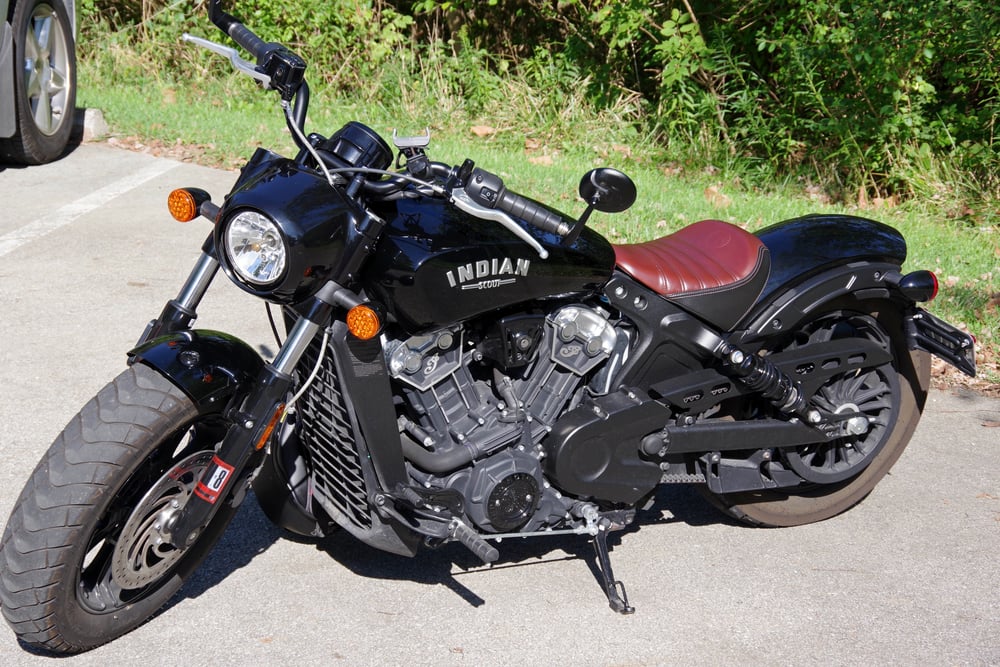
Motorcycle accidents involving defective parts or unsafe vehicle components can lead to devastating injuries for riders and passengers. Unlike occupants of passenger vehicles, motorcyclists have limited physical protection during collisions, increasing the risk of severe trauma. Defective motorcycles or faulty replacement parts may contribute to accidents even when riders operate safely and responsibly.
Mechanical failures involving brakes, tires, steering systems, fuel systems, or electrical components may suddenly cause riders to lose control. Victims injured in a motorcycle defect injury case may face significant medical expenses, rehabilitation costs, lost income, and long-term physical limitations. Product manufacturers and distributors may sometimes be held legally responsible for injuries caused by unsafe products.
Under product liability principles recognized throughout the United States, manufacturers generally have a duty to ensure motorcycles and replacement parts are reasonably safe for consumer use. California Civil Code § 1714.45 and related product liability laws may apply when defective products contribute to injuries. Courts frequently examine whether manufacturing defects, design defects, or inadequate warnings caused the accident.
Head and Brain Injuries
Traumatic brain injuries are among the most serious injuries associated with defective motorcycle accidents in the United States. Riders may strike the roadway, vehicles, or surrounding objects after losing control because of mechanical failures. Even when helmets are used properly, severe impacts may still cause concussions or permanent brain damage.
California Vehicle Code § 27803 requires motorcycle riders and passengers to wear approved safety helmets while operating motorcycles. Although helmets significantly reduce injury risks, defective motorcycle parts may still lead to violent crashes causing severe neurological trauma. Brain injuries often require long-term medical care, rehabilitation, and ongoing neurological treatment.
Spinal Cord and Back Injuries
Motorcycle defect accidents frequently involve spinal cord injuries because riders often experience forceful impacts during collisions or ejections. Defective steering systems, suspension failures, or tire blowouts may cause riders to lose control suddenly at high speeds. These accidents can result in herniated discs, fractured vertebrae, paralysis, or chronic back pain.
Spinal cord injuries commonly require surgeries, physical therapy, mobility assistance, and long-term rehabilitation services after serious accidents. Victims may lose the ability to work or perform daily activities independently because of permanent physical limitations. Catastrophic spinal injuries often create substantial emotional and financial burdens for families.
Road Rash and Burn Injuries
Road rash injuries are extremely common in defective motorcycle accidents because riders may slide across pavement after being thrown from the motorcycle. Severe road rash can remove multiple layers of skin and expose muscle, nerves, or bone underneath. These injuries often require skin grafts, wound treatment, and extensive rehabilitation.
Fuel system defects or motorcycle fires may also cause serious burn injuries during collisions. Burns can lead to permanent scarring, infections, nerve damage, and long-term physical complications. Severe burn victims often require multiple surgeries and prolonged hospitalization after motorcycle accidents involving defective components.
Fractures and Orthopedic Injuries
Broken bones and orthopedic injuries frequently occur during motorcycle accidents caused by defective parts or unsafe motorcycle design. Riders commonly suffer fractures involving the arms, legs, ribs, pelvis, wrists, and collarbones during impact with the roadway or nearby vehicles. Some fractures may require surgery, metal implants, or long-term immobilization.
Orthopedic injuries may significantly affect mobility, employment, and overall quality of life following the accident. Victims often require physical therapy and rehabilitation to restore movement and strength after serious fractures. Certain injuries may result in chronic pain or permanent loss of physical function despite treatment.
Final Key Takeaways
- Defective motorcycle parts may cause serious accidents even when riders operate safely.
- Brake failures, tire defects, and steering malfunctions commonly contribute to crashes.
- Motorcycle defect injury cases often involve traumatic brain injuries and spinal cord damage.
- California Vehicle Code § 27803 requires approved helmets for motorcycle riders and passengers.
- Road rash, burns, fractures, and orthopedic injuries are common after motorcycle collisions.
- Product liability laws may hold manufacturers responsible for defective motorcycle components.










