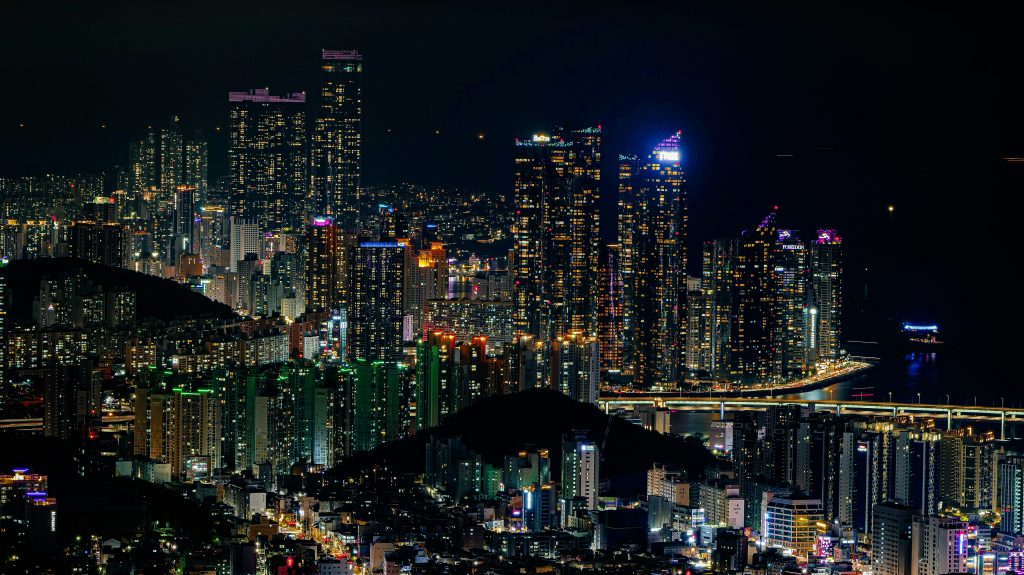
When most travelers think of Busan, they picture endless beaches, seafood markets, and glittering cityscapes. But behind the modern skyline lies another deeply rooted part of the city’s identity — its traditional Korean spa culture, where relaxation meets heritage, and healing becomes a lifestyle.
In Busan, spas are not just places to unwind; they are cultural sanctuaries. They reflect centuries-old Korean wellness philosophies, blending mineral-rich baths, steam saunas, body scrubs, and herbal therapies into one holistic experience. Locals see them as part of daily life — a space to cleanse both the body and the mind.
With platforms like 부달 introducing visitors to authentic, locally loved spa experiences, discovering Busan’s hidden bathhouses and wellness centers has never been easier. Beyond luxury hotels and modern wellness retreats, the city’s traditional spas offer something much deeper: the essence of Korean healing.
Let’s explore how Busan’s spa culture connects tradition with modernity, and why these experiences are considered an integral part of Korean living.
- The Deep Roots of Korean Spa Culture
The foundation of Korean spa traditions lies in the jjimjilbang (찜질방) — large public bathhouses that have existed for centuries. Historically, they served as communal spaces where people gathered not just to bathe, but to socialize, rest, and even eat.
Busan, with its coastal geography and access to natural minerals, became an ideal location for such wellness hubs. The tradition evolved from simple oncheon (hot spring) baths to full-scale wellness centers offering massages, herbal treatments, and saunas.
The philosophy behind it is distinctly Korean: cleansing is both physical and spiritual. The warmth of the water symbolizes purification, while the shared atmosphere builds community connection. In a world that’s increasingly digital and distant, Busan’s spas remain refreshingly human — tactile, sensory, and deeply grounding.
- The Science Behind the Soak
Busan’s traditional spa culture is more than a leisure pursuit — it’s based on proven health principles. Many local spas use natural geothermal water, sourced from the region’s underground springs. These waters are rich in minerals like sulfur, magnesium, and calcium, which have therapeutic properties known to improve skin, relax muscles, and aid circulation.
The alternating hot and cold baths — a staple in jjimjilbangs — stimulate blood flow and strengthen the immune system. The practice of “contrast bathing” helps flush toxins and enhances overall energy levels.
Additionally, Busan’s spas often incorporate herbal infusions made from mugwort, ginseng, or green tea. These herbs are believed to restore balance in the body, reduce inflammation, and rejuvenate the skin. For locals, the health benefits are as important as the relaxation — a reflection of Korea’s holistic approach to wellness.
- A Journey Through the Jjimjilbang
Stepping into a jjimjilbang in Busan is like entering another world — warm, quiet, and soothingly communal. The experience typically begins with a full-body scrub known as “seshin”, performed by skilled attendants using textured cloths to exfoliate every inch of skin. The result is a sense of renewal so profound that many describe it as shedding old energy.
After the scrub, guests move between a series of themed rooms — each with unique temperatures and functions:
- Charcoal Rooms: For detoxification and air purification.
- Amethyst or Crystal Rooms: Said to promote energy balance and mental clarity.
- Salt Rooms: To cleanse the skin and enhance respiratory function.
- Ice Rooms: To tighten pores and refresh after heat treatments.
Every jjimjilbang is designed to encourage circulation and relaxation simultaneously. The environment promotes mindfulness — a quiet awareness of the body’s natural rhythm, often lost in busy modern life.
- The Social Side of Korean Bathing
In Korea, visiting a jjimjilbang is not a solitary act; it’s social. Families, friends, and even coworkers visit together to unwind and bond. The shared spaces — from saunas to sleeping lounges — encourage interaction and relaxation in equal measure.
In Busan, weekend evenings often see entire families spending hours at their local spa. They soak, rest, eat, and sometimes sleep overnight in communal rooms filled with warmth and soft conversation.
This sense of openness and equality is what makes Korean spa culture so special. Inside a jjimjilbang, everyone is the same — no status, no pretense, just shared human comfort. For international travelers, it’s a rare chance to experience the Korean way of togetherness firsthand.
- Signature Spa Treatments Unique to Busan
Busan’s traditional spas have evolved to reflect the city’s seaside identity, incorporating ocean-inspired treatments and natural resources from the region.
- Sea Salt Therapy: Using Busan’s coastal salt, this therapy exfoliates and nourishes the skin while drawing out toxins.
- Marine Mud Baths: Packed with minerals, mud from nearby coastal zones is applied as a full-body wrap for deep detoxification.
- Seaweed Wraps and Baths: Rich in antioxidants, seaweed is used to hydrate and improve skin elasticity.
- Aromatherapy Steam Rooms: Infused with local herbs and essential oils, these steams relieve respiratory tension and improve circulation.
These treatments embody Busan’s natural harmony — the ocean’s minerals, the mountains’ calm, and the warmth of community.
- Healing Beyond the Body – The Mental Rejuvenation
Korean spas don’t just cleanse the body; they cleanse the mind. The repetitive rhythm of bathing, the quiet of the saunas, and the warmth of the rooms create an environment of emotional stillness.
In Busan’s spas, the emphasis is on slow living — letting go of external noise and reconnecting with inner balance. Many locals visit regularly as part of their mental wellness routines, using the heat and silence to meditate, think, or simply rest.
Psychologists often note that such rituals of self-care reduce stress hormones and improve sleep quality. In a city as energetic as Busan, these spas provide a natural counterbalance — a sanctuary where the mind can reset.
- The Aesthetic Experience – Architecture and Atmosphere
Busan’s spas blend traditional Korean aesthetics with modern design. Bamboo, stone, and natural wood dominate the interiors, creating harmony with the surrounding environment. The use of ondol (traditional floor heating) keeps the floors warm, adding to the cozy, therapeutic experience.
Soft lighting and gentle background music set the tone for introspection. In some spa complexes, windows open to views of the ocean or the city skyline, reminding guests of Busan’s dual nature — calm yet alive.
These visual and sensory elements are deliberately designed to encourage peace. The interplay of hot and cold, light and shadow, sound and silence — all contribute to a holistic sensory journey that engages more than just the body.
- Food and Relaxation – Nourishment After the Bath
No Korean spa experience is complete without food. After a long soak or sauna session, the body craves nourishment, and jjimjilbangs cater to that need beautifully.
Most Busan spas have cafeterias offering a selection of comforting Korean dishes — from boiled eggs and barley tea to full meals like bibimbap, kimchi stew, or samgyetang (ginseng chicken soup). These foods are light yet nutrient-rich, designed to replenish energy without burdening digestion.
Eating together after bathing has its own charm — it’s casual, cozy, and rooted in Korean hospitality. Locals often sit cross-legged on floor mats, sharing laughter and snacks in oversized spa clothes, savoring the warmth that lingers long after the bath.
- The Evolution of Spa Culture – Tradition Meets Modern Wellness
While Busan preserves its traditional spa heritage, it also embraces modern wellness innovations. Many jjimjilbangs now integrate aromatherapy, yoga spaces, and healing meditation programs. Others feature digital detox zones, where phones are banned to promote mindful rest.
Luxury spas in the city incorporate Korean herbal medicine principles with advanced skincare technology, offering facial treatments using natural ingredients like red ginseng, green tea, and fermented extracts.
This fusion of old and new defines Busan’s identity — a city where cultural roots adapt gracefully to modern needs. It proves that the essence of healing is timeless, even as methods evolve.
- Connecting Wellness with Nature
Busan’s location — cradled between mountains and sea — adds a natural dimension to its spa culture. Many of the city’s hot springs and wellness centers draw their inspiration from these surroundings.
For example, hillside spas near Geumjeongsan Mountain use mountain herbs in their treatments, while coastal spas along Haeundae incorporate marine minerals. The fresh air, ocean sounds, and scenic views enhance the therapeutic effect, turning each visit into a sensory retreat.
Even within the urban core, the proximity to nature is felt. Busan’s designers are skilled at weaving greenery, open spaces, and natural light into spa interiors, reminding guests that healing doesn’t only come from heat — it also comes from harmony with nature.
- How 부달 Guides Travelers to Authentic Wellness
Navigating Busan’s vast spa landscape can be overwhelming for newcomers. That’s where 부달 serves as a trusted local guide, helping visitors uncover hidden gems that locals cherish most.
It introduces travelers to authentic jjimjilbangs, oncheon resorts, and wellness spas often overlooked by mainstream tourism. Whether you’re seeking a traditional family-friendly experience or a serene solo retreat, the platform connects you directly with spots that reflect genuine Korean healing culture.
Through local insights and recommendations, it helps ensure that your spa journey in Busan isn’t just about luxury — it’s about authenticity, warmth, and discovery.
- Cultural Etiquette in Korean Spas
To truly enjoy Busan’s spa culture, understanding a few basic customs enhances the experience. Korean jjimjilbang etiquette emphasizes respect, cleanliness, and shared harmony.
- Shower before entering baths: It’s customary (and mandatory) to wash thoroughly before soaking.
- Gender-segregated baths: Most wet areas are separated by gender, while common areas are shared.
- Quiet environment: Conversation is kept low to maintain tranquility.
- No shoes inside: Guests walk barefoot or wear provided slippers.
- Embrace simplicity: The spa uniform and minimalism symbolize equality and peace.
These customs may seem small, but they carry deep cultural meaning. They reflect the Korean values of purity, respect, and mindfulness — all integral to the jjimjilbang experience.
- The Local Favorites – Spas Loved by Busan Residents
While many tourists visit large wellness complexes, Busan locals often prefer smaller, neighborhood spas where tradition still thrives. These places have loyal communities, regular guests, and long-standing attendants who treat visitors like family.
Locals frequent such spots not just for bathing but for a sense of continuity and belonging. They know the attendants by name, exchange friendly conversations, and share life updates over cups of tea in the lounge.
This sense of familiarity is part of what makes Busan’s spa culture timeless — it’s not just about personal care; it’s about collective healing.
- 부산달리기 스파 – Where Movement Meets Restoration
The spirit of 부산달리기 스파 captures a new chapter in Busan’s wellness story — a blend of physical vitality and relaxation. It represents the city’s evolving health culture, where active lifestyles like running, cycling, or hiking naturally transition into healing rituals like spa sessions and thermal bathing.
After a day exploring Busan’s seaside trails or urban parks, a visit to a traditional spa offers the perfect closure — soothing tired muscles, hydrating the skin, and restoring balance. This synergy between movement and rest reflects the modern Busan ethos: health as harmony, not pressure.
The combination of exercise and spa therapy strengthens both body and mind — reminding us that healing isn’t found in isolation, but in the seamless flow between effort and ease.
- Final Reflection – Busan’s Living Art of Wellness
Busan’s traditional Korean spa culture is more than a wellness trend — it’s a living art form. It speaks to the deep-rooted human need for warmth, rest, and renewal.
In a fast-moving world, these spaces offer timeless wisdom: slow down, breathe, and reconnect. The heat of the baths, the scent of herbs, the softness of shared silence — all remind us that healing doesn’t come from complexity, but from presence.
So, when you visit Busan, go beyond sightseeing. Step into its heart — a jjimjilbang glowing with steam and laughter, a place where tradition and humanity coexist. Let the water wash away fatigue, and let the calm remind you of what real wellness feels like.
Because here, in the rhythm of Busan’s baths and saunas, lies a universal truth — healing is not just something you do; it’s something you live.










