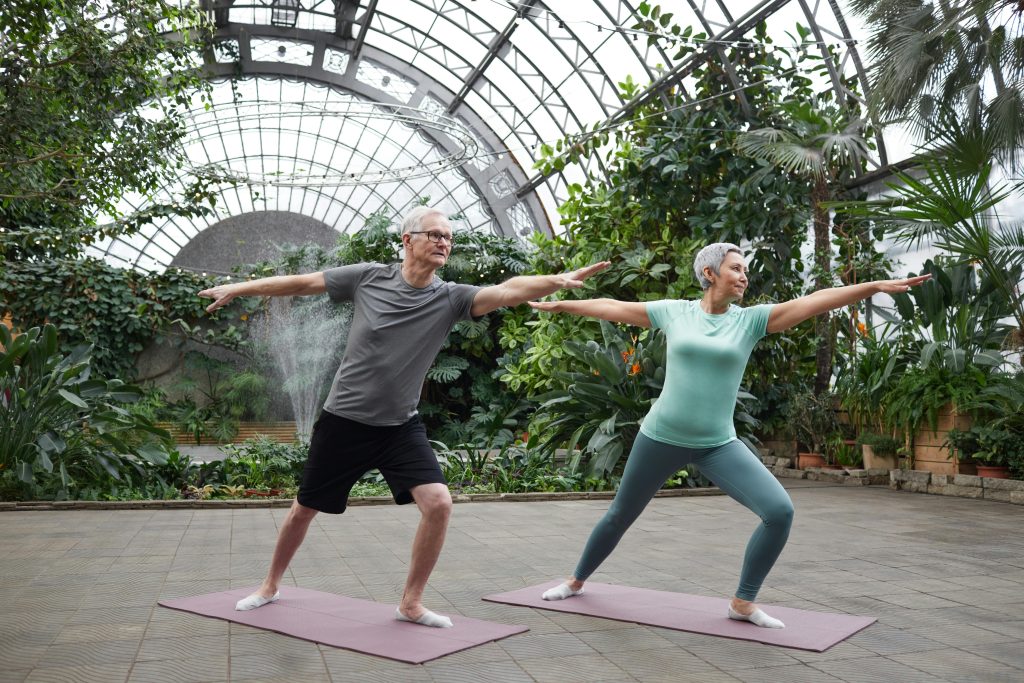
Staying steady on your feet is about more than avoiding a tumble—it’s about holding onto your freedom. As we age, our balance can weaken, and even small slips can lead to serious injuries. But the good news? It’s never too late to improve balance and build confidence through movement. For seniors, the right exercises can make all the difference between relying on help and living independently. This guide covers ten practical, easy-to-follow routines that help older adults stay strong, stable, and sure-footed. With consistency, these exercises can keep you standing tall and moving with ease, every single day.
- Why Balance Matters More with Age
Balance doesn’t just help prevent falls; it’s essential for performing daily activities safely. From walking to reaching for a glass in the cupboard, every movement depends on coordination and core strength. As we age, muscles shrink, reaction times slow, and joint flexibility reduces, making us more vulnerable to accidents. At the same time, vision and inner ear changes can further throw us off. That’s why older adults need focused balance exercises—not just for safety, but to feel more in control. Good balance leads to more freedom, fewer hospital visits, and a longer, healthier, independent life at home.
- The Role of Stability in Everyday Life
Think about how often you shift your weight—from getting out of bed to stepping off a curb. Balance isn’t just for athletes; it’s for every senior wanting to keep living actively. Stability exercises help your brain, muscles, and joints communicate better. That means you’ll move with more confidence and less fear. This is also where tools and support systems come in handy. You may wonder, how does a medical alert system work in case a fall happens despite your efforts? These systems detect emergencies and alert help fast, giving peace of mind. Combine that with stability work, and you’re well protected.
- Strengthening the Core for Control
A strong core acts like your body’s natural support belt. Your abdominal muscles, lower back, and pelvis all work together to keep you upright and balanced. Weak core muscles can lead to poor posture and wobbly movement. Simple exercises like seated leg lifts, standing marches, and gentle planks build core strength without straining the back. Even sitting on an exercise ball for a few minutes a day can engage those deep muscles. These routines not only improve balance, they also make everyday tasks like bending, standing, and walking easier. Core training keeps your centre strong so your whole body moves better.
- Leg Power: Building Lower Body Strength
Your legs are the foundation of balance. Strong thighs, hips, calves, and ankles help you shift weight and stay steady on uneven ground. As we age, these muscles naturally weaken if we don’t use them regularly. Try exercises like mini-squats, step-ups on a low platform, or toe-heel raises. Even daily walks strengthen the lower body when done consistently. Make sure to stretch the hamstrings and calves after each session to maintain flexibility. You don’t need fancy equipment—just a chair, some determination, and a few minutes each day. With stronger legs, climbing stairs or rising from a chair becomes much safer.
- Flexibility and Joint Mobility Matter
Flexibility helps the body move smoothly and prevents stiff joints from causing imbalance. If your hips or knees feel tight, your stride shortens and your body compensates, throwing you off balance. Stretching increases your range of motion and helps your joints work better under stress. Gentle yoga poses, seated stretches, and shoulder rolls can improve mobility in key areas. Focus on the neck, shoulders, spine, and lower limbs. Always move slowly and breathe deeply through each stretch. Maintaining joint health means less stiffness, less pain, and more ease with basic tasks like turning around, putting on socks, or reaching for shelves.
- Practising Balance with Simple Movements
Staying balanced doesn’t require high-intensity workouts or complicated routines. Small, controlled movements can produce powerful results. Start with heel-to-toe walks across a hallway, standing on one foot for 10 seconds, or shifting weight from one leg to the other. These exercises train the brain to better coordinate the body’s response to movement. Over time, you’ll notice steadier steps and quicker reflexes. Practise near a wall or sturdy chair for safety. Consistency is key—just five to ten minutes daily can create lasting improvement. These simple routines help maintain independence and reduce the fear of falling while building physical confidence.
- Incorporating Balance Tools and Supports
Various aids can enhance balance exercises while keeping things safe. Resistance bands, balance discs, foam pads, and even rolled towels can challenge your stability and boost muscle engagement. For beginners, a walker or chair can provide extra confidence while learning new movements. As your strength grows, these supports can phase out, replaced by your own improved control. If you prefer guided support, physical therapists often recommend using balance bars or wall rails. Tools shouldn’t be seen as crutches—they’re smart ways to improve gradually. Over time, you’ll rely less on them and more on your body’s natural stability.
- Breathing and Mind-Body Connection
Balance isn’t only physical—it’s mental, too. Deep, mindful breathing helps calm nerves and improve focus during exercise. Many seniors feel nervous when starting balance routines, especially after a past fall. Breathing deeply helps regulate your body’s response to stress and keeps you centred. Try inhaling through the nose for four seconds, then exhaling slowly through the mouth for six seconds. This rhythm supports smoother movements and enhances coordination. When combined with movement, breathing brings awareness to posture, positioning, and tension. A calm, clear mind can help you respond more effectively to sudden shifts or slips, reducing fall risks significantly.
Balance keeps you independent, active, and confident—but it doesn’t come automatically with age. It takes effort, attention, and the right strategies to maintain it. Through core work, leg strengthening, breathing techniques, and guided movements, seniors can reclaim their sense of control and freedom. Small, daily steps lead to big life changes. And when supported by tools, professional advice, and a safety net like a medical alert system, you create an environment where independence thrives. So keep moving, stay consistent, and remember—you have the power to stay steady, live freely, and enjoy every step ahead.










