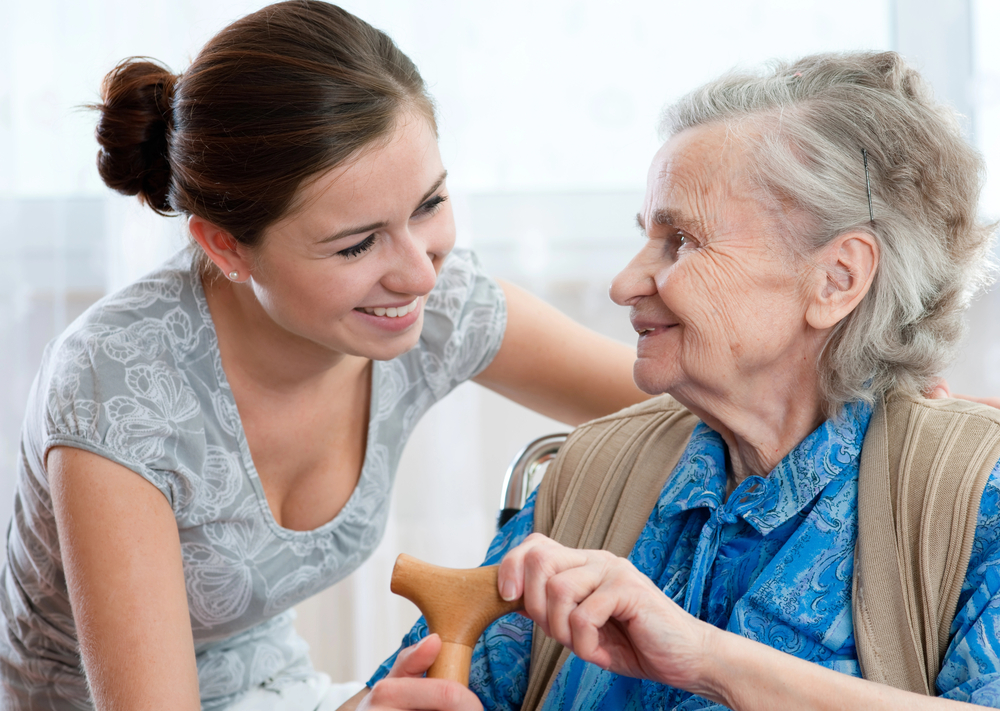
Have you ever wondered what makes a place feel warm and welcoming?
For elders, a sense of belonging matters just as much as comfort. Many face isolation, but with the right environment, they can thrive. Engaging and inclusive spaces help them stay active, build friendships, and feel valued. Small changes can make a big difference in their lives.
This article explores simple ways to create spaces where elders feel happy, connected, and truly at home.
Social Connection
Elders can avoid loneliness and stay active through social activities. Book clubs, gardening lessons, and music jams are examples of group activities that offer opportunities to talk to others. These tasks help people feel like they fit in and encourage them to keep doing them.
Programs for people of all ages bring them together. Older people can share their life experiences with younger people by teaching or telling stories. These kinds of conversations help people get to know each other better and improve ties in the community.
Accessibility and Safety
Elders can move around more easily in a well-designed area. It’s easy to get around thanks to ramps, fences, and wide paths. There is less chance of falling when there is good lighting and clear signs.
Adding an emergency device to your home makes it safer. Elders can quickly get help thanks to call buttons and easy-to-use phones.
Mental and Physical Engagement
Physical activities improve strength and coordination. Chair yoga, tai chi, and walking groups encourage movement in a controlled setting. Regular exercise helps maintain health and prevents physical decline.
Mental activities keep the brain active and alert. Many communities offer fun activities and services for seniors that promote engagement and social interaction. Puzzles, memory games, and educational classes stimulate cognitive function. Engaging the mind helps elders stay sharp and confident in daily life.
Technology for Connection
Elders can keep in touch with their loved ones thanks to technology. They can easily talk to each other through video calls, texting apps, and social media. Having access to online sites can help you feel less lonely.
Elders gain confidence by being taught how to use technology. They can make their daily lives better by following simple guides on their phones, computers, and voice helpers.
Nutritious and Enjoyable Meals
Healthy meals support physical health and energy levels. Balanced diets with fresh ingredients help maintain strength and prevent illness. Providing a variety of meal options ensures that elders receive proper nutrition.
Mealtime can be a social experience. Shared dining spaces create opportunities for conversation and connection. Offering culturally diverse food choices also makes meals more enjoyable and inclusive.
Emotional and Mental Well-Being
Emotional support is important for overall happiness. Access to counselors, support groups, and peer discussions helps elders process their feelings. A caring environment encourages open communication about emotional health.
Activities that promote relaxation can reduce stress. Meditation, music therapy, and journaling provide ways to manage emotions. Encouraging self-expression helps elders maintain a positive outlook.
Bringing Joy and Connection to Every Stage of Life
Every person deserves to feel included, no matter their age. Creating engaging spaces for elders is not just about comfort- it’s about giving them a place to share, laugh, and live with purpose. A thoughtful environment helps them stay connected to the world around them.
When we invest in inclusive spaces, we build stronger, more caring communities. By making these changes, we create a future where every elder feels valued, respected, and never alone.
Were you satisfied with the information in this article? If yes, our blog offers even more valuable resources.










