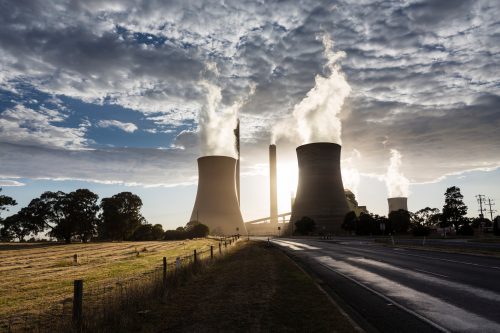
- Both India and China have stated quite plainly that they will not be following the example of the UK and shutting down any coal power plants in the observable future.
- Coal power provides the cheap energy that Chinese and other Asian manufacturers of wind and solar components and equipment—not to mention EVs—use to keep their products cheap.
- These two countries will be driving coal demand growth over the near to medium term.
Report upon report sings praises to energy transition efforts that are leading to record wind and solar electricity generation. Outside the spotlight, however, things look very different. There, coal remains king—and this is not about to change anytime soon.
Reuters recently reported that India’s coal power generation had fallen for the second month in a row in September thanks to higher solar output and lower electricity demand. Time for some solar praise, perhaps? Not really, because at the same time, India’s coking coal imports surged to a six-year high over the first half of the country’s latest fiscal year.
Meanwhile, in neighboring China, coal remains the largest contributor to the country’s power supply despite China being the largest developer of wind and solar capacity in the world—and by a wide margin. The latest domestic production figures point to an increase. The latest demand figures point to an increase in coal in response to growing demand. Coal accounts for 60% of China’s power generation, and this is not about to change soon.
Both India and China have stated quite plainly that they will not be following the example of the UK and shutting down any coal power plants in the observable future. Both India and China have officially prioritized energy supply security and affordability over emissions, even as they both pursue a more diverse grid.
Ironically, it is coal power that is essentially fueling the energy transition. Coal power provides the cheap energy that Chinese and other Asian manufacturers of wind and solar components and equipment—not to mention EVs—use to keep their products cheap. Also ironically, the surge in demand for electricity from data centers will quite likely add a boost to coal demand in some parts of the world where natural gas is not as cheap as it is—for now—in the United States.
In its latest World Energy Outlook, the International Energy Agency expended a lot of words in praise of the energy transition and how future energy demand growth was going to be met entirely by wind and solar capacity that will be added.
Citing recent ramp-ups in wind and solar investment in the past couple of years, the IEA wrote in the executive summary that the combined capacity of the two would “rise from 4 250 GW today to nearly 10 000 GW in 2030 in the STEPS, short of the tripling target set at COP28 but more than enough, in aggregate, to cover the growth in global electricity demand, and to push coal-fired generation into decline.”
Read More: Coal Is Still King In Spite Of War On ‘Fossil Fuels’











