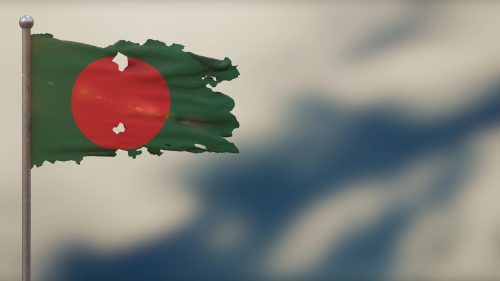
Bangladesh’s Prime Minister Sheikh Hasina has resigned amidst devastating protests that have seen violence grip the country for weeks now. The protests presented a major challenge for Hasina, who has ruled the country for over 15 years. She returned to power for a fourth consecutive term in January in an election that was boycotted by her main opponents.
Demonstrators demanded Hasina’s resignation following protests last month that began with students calling for an end to a controversial quota system that reserved 30 per cent of government jobs for relatives of veterans who fought in Bangladesh’s War of Independence in 1971. Those demonstrations escalated into widespread violence that left more than 200 dead.
But it is the nation’s children who now face the greatest risk.
Sanjay Wijesekera, UNICEF Regional Director for South Asia, said, “UNICEF has now confirmed that at least 32 children were killed during July’s protests, with many more injured and detained. This is a terrible loss. UNICEF condemns all acts of violence.”
Now, a fresh round of clashes is taking place leaving even more people dead. The interior ministry declared an indefinite nationwide curfew on Sunday, the first time it has taken such a step during the current protests that began last month. In addition, it ordered a shutdown of mobile Internet services for the second time in three weeks.
Hasina had said the protesters who engaged in “sabotage” and destruction were no longer students but criminals, and she said the people should deal with them with iron hands. Clearly, this didn’t go over well with the public.
In response to the public outrage, the country’s Supreme Court ruled that the veterans’ quota must be cut to 5%, with 93% of jobs to be allocated on merit. The remaining 2% will be set aside for members of ethnic minorities and transgender and disabled people. The government accepted the decision, but protesters have continued demanding accountability for the violence they blame on the government’s use of force.
An overwhelming number of police and soldiers patrol the streets of major cities, and a shoot-on-sight order is still in place for curfew violators. The prime minister has resigned, economic activity has stalled, and many citizens are concerned and uncertain about what will come next. The question is whether Hasina had weathered the political storm or if the current situation is the beginning of a larger storm brewing, was discussed in an analysis by the Atlantic Council.
Now at least it is clear that Hasina has seemingly made the right choice by resigning.
Read More: Children at Risk as Bangladesh Violence Spirals Dangerously Out of Control











